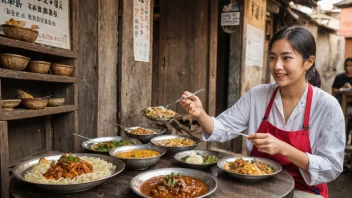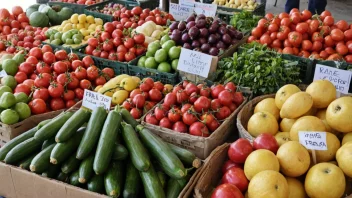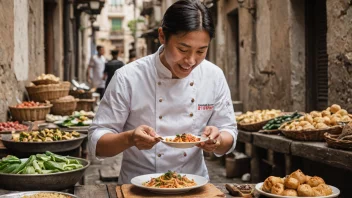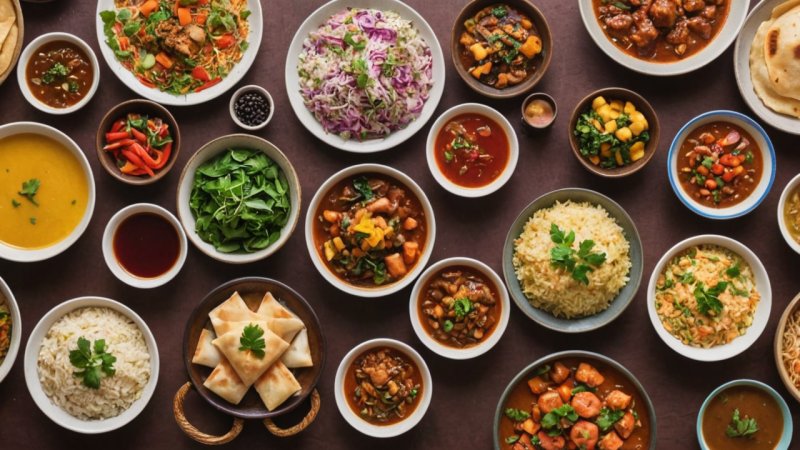
Food is a universal language that transcends borders, and the way we consume it varies widely across cultures. Understanding these differences not only enriches our culinary experiences but also provides insight into the values, traditions, and histories of various societies. In this article, we will explore the diverse dietary habits found around the world, showcasing how culture shapes our food choices and eating practices.
1. The Mediterranean Diet: A Celebration of Freshness
The Mediterranean diet is renowned for its health benefits and emphasis on fresh, seasonal ingredients. Originating from countries like Greece, Italy, and Spain, this diet is rich in fruits, vegetables, whole grains, and healthy fats, particularly olive oil.
- Core Components: Fresh vegetables, fruits, nuts, legumes, and fish.
- Health Benefits: Linked to reduced risks of heart disease and improved longevity.
- Cultural Significance: Meals are often communal, promoting social interaction and family bonding.
2. Asian Cuisine: A Fusion of Flavors
Asian cuisine encompasses a vast array of culinary traditions, each with unique flavors and ingredients. Countries like China, Japan, and India feature diverse diets that highlight the use of spices, rice, and vegetables.
- Regional Variations: Chinese stir-fries, Indian curries, and Japanese sushi.
- Common Ingredients: Rice, soy sauce, ginger, garlic, and a variety of spices.
- Dining Etiquette: In many Asian cultures, sharing dishes is common, reflecting a sense of community.
3. Scandinavian Simplicity: Emphasis on Sustainability
Scandinavian countries like Sweden, Denmark, and Norway focus on simplicity and sustainability in their diets. Traditional meals often feature local, seasonal ingredients that are both nutritious and environmentally friendly.
- Key Ingredients: Fish, root vegetables, and whole grains.
- Sustainability Practices: Foraging and preserving food are valued traditions.
- Meal Structure: Emphasis on open-faced sandwiches and hearty stews.
4. Latin American Vibrance: A Melting Pot of Traditions
Latin American cuisine is a rich tapestry of indigenous ingredients and colonial influences. Countries like Mexico, Brazil, and Peru showcase vibrant flavors through their diverse dishes.
- Signature Dishes: Tacos, feijoada, and ceviche.
- Flavor Profile: Use of chilies, corn, beans, and fresh herbs.
- Celebration of Food: Many dishes are tied to cultural festivals and celebrations.
5. Middle Eastern Richness: A Blend of Spices and Aromas
Middle Eastern cuisine, found in countries like Lebanon, Turkey, and Iran, is characterized by its aromatic spices and rich flavors. Meals often involve sharing multiple dishes, showcasing the region's hospitality.
- Culinary Staples: Hummus, tabbouleh, kebabs, and pita bread.
- Spice Use: Cumin, coriander, and sumac are frequently used to enhance flavors.
- Community Aspect: Meals are often enjoyed with family and friends, fostering connection.
In conclusion, dietary habits across cultures reveal the profound connection between food, tradition, and community. From the health-conscious Mediterranean diet to the vibrant flavors of Latin America, each culture offers a unique perspective on nourishment. Embracing these diverse culinary practices not only enhances our palates but also deepens our understanding of the world around us.